 Adobo is the immersion of raw food in a stock (or sauce) composed variously of paprika, oregano, salt, garlic, and vinegar to preserve and enhance its flavor.
The practice is native to Iberia, namely Spanish cuisine and Portuguese cuisine. It was widely adopted in Latin America and other Spanish and Portuguese colonies. In the Philippines, the name adobo was given by the Spanish colonists to a superficially similar, but totally independent of Spanish influence, indigenous cooking method that also uses vinegar. By Tapas Together Edinburgh
Adobo is the immersion of raw food in a stock (or sauce) composed variously of paprika, oregano, salt, garlic, and vinegar to preserve and enhance its flavor.
The practice is native to Iberia, namely Spanish cuisine and Portuguese cuisine. It was widely adopted in Latin America and other Spanish and Portuguese colonies. In the Philippines, the name adobo was given by the Spanish colonists to a superficially similar, but totally independent of Spanish influence, indigenous cooking method that also uses vinegar. By Tapas Together Edinburgh
Showing posts with label Typical Tapas. Show all posts
Showing posts with label Typical Tapas. Show all posts
Pork loin marinated in adobo
Lomo adobado
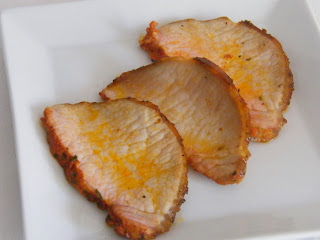 Adobo is the immersion of raw food in a stock (or sauce) composed variously of paprika, oregano, salt, garlic, and vinegar to preserve and enhance its flavor.
The practice is native to Iberia, namely Spanish cuisine and Portuguese cuisine. It was widely adopted in Latin America and other Spanish and Portuguese colonies. In the Philippines, the name adobo was given by the Spanish colonists to a superficially similar, but totally independent of Spanish influence, indigenous cooking method that also uses vinegar. By Tapas Together Edinburgh
Adobo is the immersion of raw food in a stock (or sauce) composed variously of paprika, oregano, salt, garlic, and vinegar to preserve and enhance its flavor.
The practice is native to Iberia, namely Spanish cuisine and Portuguese cuisine. It was widely adopted in Latin America and other Spanish and Portuguese colonies. In the Philippines, the name adobo was given by the Spanish colonists to a superficially similar, but totally independent of Spanish influence, indigenous cooking method that also uses vinegar. By Tapas Together Edinburgh
Adobo is the immersion of raw food in a stock (or sauce) composed variously of paprika, oregano, salt, garlic, and vinegar to preserve and enhance its flavor.
The practice is native to Iberia, namely Spanish cuisine and Portuguese cuisine. It was widely adopted in Latin America and other Spanish and Portuguese colonies. In the Philippines, the name adobo was given by the Spanish colonists to a superficially similar, but totally independent of Spanish influence, indigenous cooking method that also uses vinegar. By Tapas Together Edinburgh

Cod "ajoarriero" style
 Bacalao ajoarriero
"Ajoarriero" is a style of cooking in which the main ingredients are garlic, peppers and potatoes. The most famous dish is "cod fish ajoarriero style."
Bacalao ajoarriero
"Ajoarriero" is a style of cooking in which the main ingredients are garlic, peppers and potatoes. The most famous dish is "cod fish ajoarriero style."The origins of this dish are unknown but something we know is that the word "ajo" is garlic and "arriero" is a mule driver who used to move goods on mules from one point to another in Spain. It is possible that the "arrieros" cooked with garlic and vegetables preserved in olive oil.
By Tapas Together Edinburgh
Prawn wearing a trench coat
Gambas con gabardina
 Beer is a popular ingredient in batters used to coat foods before frying. One reason is that a basic batter can be made from merely flour, beer, and some salt. The purpose of using beer is so the bubbles in the beer will add body and lightness to the batter. Depending on the type and quality of the beer, beer may also add colour or some flavour to the batter.
In this recipe Saffron is added to improve the taste and give some yellow color to the dough.
Beer is a popular ingredient in batters used to coat foods before frying. One reason is that a basic batter can be made from merely flour, beer, and some salt. The purpose of using beer is so the bubbles in the beer will add body and lightness to the batter. Depending on the type and quality of the beer, beer may also add colour or some flavour to the batter.
In this recipe Saffron is added to improve the taste and give some yellow color to the dough.
By Tapas Together Edinburgh
 Beer is a popular ingredient in batters used to coat foods before frying. One reason is that a basic batter can be made from merely flour, beer, and some salt. The purpose of using beer is so the bubbles in the beer will add body and lightness to the batter. Depending on the type and quality of the beer, beer may also add colour or some flavour to the batter.
In this recipe Saffron is added to improve the taste and give some yellow color to the dough.
Beer is a popular ingredient in batters used to coat foods before frying. One reason is that a basic batter can be made from merely flour, beer, and some salt. The purpose of using beer is so the bubbles in the beer will add body and lightness to the batter. Depending on the type and quality of the beer, beer may also add colour or some flavour to the batter.
In this recipe Saffron is added to improve the taste and give some yellow color to the dough.By Tapas Together Edinburgh
Beef stew
Carne guisada

The Spaniards eat "ternera" or veal often, and meat from mature cattle is not as common. Stews are a popular and traditional Spanish dish. Chunks of beef are simmered with onions, garlic and peppercorns in white wine until tender. A touch of vinegar gives the sauce a tangy flavor. Although it might be thought of this as a wintery beef stew, it is a great dish for any time of year. It is recommend making it a day ahead of time and re-heating it just before serving. This will mellow the sauce and it actually tastes better!
By Tapas Together Edinburgh

The Spaniards eat "ternera" or veal often, and meat from mature cattle is not as common. Stews are a popular and traditional Spanish dish. Chunks of beef are simmered with onions, garlic and peppercorns in white wine until tender. A touch of vinegar gives the sauce a tangy flavor. Although it might be thought of this as a wintery beef stew, it is a great dish for any time of year. It is recommend making it a day ahead of time and re-heating it just before serving. This will mellow the sauce and it actually tastes better!
By Tapas Together Edinburgh
Chicken with sofrito tomato sauce
Pollo con tomate frito
.jpg)
Tomato sauce was an ancient condiment in Aztec food. The first western person to write of what may have been a tomato sauce was Bernardino de Sahagún, who made note of a prepared sauce that was offered for sale in the markets of Tenochtitlan (Mexico City today). Then, Spaniards brought the use of tomato to Europe. Tomate frito is as common tomato ingredient of Spanish cuisine as fresh tomatoes. When made by first low frying garlic and onion pieces in oil with spices and then adding the tomato puree it is known as Sofrito, used as a base in Spanish, Portuguese, and Latin American cooking.
By Tapas Together Edinburgh
.jpg)
Tomato sauce was an ancient condiment in Aztec food. The first western person to write of what may have been a tomato sauce was Bernardino de Sahagún, who made note of a prepared sauce that was offered for sale in the markets of Tenochtitlan (Mexico City today). Then, Spaniards brought the use of tomato to Europe. Tomate frito is as common tomato ingredient of Spanish cuisine as fresh tomatoes. When made by first low frying garlic and onion pieces in oil with spices and then adding the tomato puree it is known as Sofrito, used as a base in Spanish, Portuguese, and Latin American cooking.
By Tapas Together Edinburgh
Rasher
Torrezno

Torreznos are pieces of bacon cut in strips and fried in pan . Habitually they are crisp and gilded by the side of Skin . Good torrezno must have mixed bacon (that is to say, that also has something of Meat ). It is a very power food that contributes a great amount of calories to a diet. It used to be was taken to have breakfast. but nowadays torreznos are tapas served with beer or wine. Sometimes it can be a garnish in other tapas.
By Tapas Together Edinburgh

Torreznos are pieces of bacon cut in strips and fried in pan . Habitually they are crisp and gilded by the side of Skin . Good torrezno must have mixed bacon (that is to say, that also has something of Meat ). It is a very power food that contributes a great amount of calories to a diet. It used to be was taken to have breakfast. but nowadays torreznos are tapas served with beer or wine. Sometimes it can be a garnish in other tapas.
By Tapas Together Edinburgh
Pinto bean stew
Cocido de alubias pintas
 The common bean began to been cultivated approximately 7000 years ago BC in southern Mexico and Guatemala. The natives cultivated white, black beans and all varieties of color. Also seeds are small and large seeds. Since the Mesoamerican cultures of Mexico crossed the American continent, these beans and cultivation practices they spread gradually throughout South America as they explored and traded with other cultures.
When the conquistadors from the Iberian Peninsula came to the new world, flourished several varieties of beans. Early explorers and traders carried later the American bean varieties around the world, and at the beginning of the 17TH century, beans were already popular in Europe, Africa and Asia crops.
The common bean began to been cultivated approximately 7000 years ago BC in southern Mexico and Guatemala. The natives cultivated white, black beans and all varieties of color. Also seeds are small and large seeds. Since the Mesoamerican cultures of Mexico crossed the American continent, these beans and cultivation practices they spread gradually throughout South America as they explored and traded with other cultures.
When the conquistadors from the Iberian Peninsula came to the new world, flourished several varieties of beans. Early explorers and traders carried later the American bean varieties around the world, and at the beginning of the 17TH century, beans were already popular in Europe, Africa and Asia crops.
By Tapas Together Edinburgh

By Tapas Together Edinburgh
Snails in sauce
Caracoles en salsa
 In spring, fall, and winter they take to vegetable fields and meadows: snail gatherers on the lookout for little shells with the delicious treats hidden inside.
On the vegetable growers areas, snails have always been regarded as a delicacy, and most grandmothers' notebooks are full of recipes for caracoles, since they help to eliminate the problem that can decimate their crops.
In spring, fall, and winter they take to vegetable fields and meadows: snail gatherers on the lookout for little shells with the delicious treats hidden inside.
On the vegetable growers areas, snails have always been regarded as a delicacy, and most grandmothers' notebooks are full of recipes for caracoles, since they help to eliminate the problem that can decimate their crops.
By Tapas Together Edinburgh

By Tapas Together Edinburgh
Mushrooms in garlic
Champiñones al ajillo
 The mushroom hunting is an essential factor of our identity. The arrival of cultivated mushrooms did after all spell the end of freedom, and in a country whose history is marked by long periods of anarchy, freedom retains considerable relative importance of this day.
In forests and mountains it is possible to find 15 first-class mushrooms, 38 very good ones and 43 quite reason edible ones.
The French, despite of their gastronomic prowess, use only a limited number of mushroom varieties.
The mushroom hunting is an essential factor of our identity. The arrival of cultivated mushrooms did after all spell the end of freedom, and in a country whose history is marked by long periods of anarchy, freedom retains considerable relative importance of this day.
In forests and mountains it is possible to find 15 first-class mushrooms, 38 very good ones and 43 quite reason edible ones.
The French, despite of their gastronomic prowess, use only a limited number of mushroom varieties.
By Tapas Together Edinburgh

By Tapas Together Edinburgh
Spanish way deep fried egg
Huevo frito
 Whats a Spanish fried egg? Its an egg fried very quickly in very, very hot olive oil. What you get in a Spanish fried egg is a crispy, delicate white that crunches then practically melts in your mouth. The yolk is just set, but still runny enough to soak into your toast. In other words, no rubbery white - no overcooked yolk. Eggy perfection!
Spanish painter Diego Velázquez painted a portrait of an elderly lady frying eggs in 1618. It is hanging in the National Galleries of Scotland, Edinburgh.
Whats a Spanish fried egg? Its an egg fried very quickly in very, very hot olive oil. What you get in a Spanish fried egg is a crispy, delicate white that crunches then practically melts in your mouth. The yolk is just set, but still runny enough to soak into your toast. In other words, no rubbery white - no overcooked yolk. Eggy perfection!
Spanish painter Diego Velázquez painted a portrait of an elderly lady frying eggs in 1618. It is hanging in the National Galleries of Scotland, Edinburgh.
By Tapas Together Edinburgh

By Tapas Together Edinburgh
Grilled Pig's ear
Oreja a la plancha
 In some countries, pigs ears are used as dog treats, so it could be considered as taboo food...
But in Spanish cuisine, pig's ear is served roasted as Oreja de Cerdo, one of the tapas snacks, or boiled in many variants of stew and cocido. We have a saying in Spain: "Del cerdo, se come hasta los andares," which basically means that we eat every last bit of a pig, down to its trotters. And pig's ears are a great delicacy.
When cooked, the outer texture is gelatinous, akin to tofu, and the center cartilage is crunchy.
In some countries, pigs ears are used as dog treats, so it could be considered as taboo food...
But in Spanish cuisine, pig's ear is served roasted as Oreja de Cerdo, one of the tapas snacks, or boiled in many variants of stew and cocido. We have a saying in Spain: "Del cerdo, se come hasta los andares," which basically means that we eat every last bit of a pig, down to its trotters. And pig's ears are a great delicacy.
When cooked, the outer texture is gelatinous, akin to tofu, and the center cartilage is crunchy.
By Tapas Together Edinburgh

By Tapas Together Edinburgh
Leftovers rice
Arroz de sobras
 The Moors brought Asiatic rice to the Iberian Peninsula in the 10th century. Records indicate it was grown in Valencia and Majorca. In Majorca, rice cultivation seems to have stopped after the Christian conquest.
As the name refers to, this rice is cooked with leftover. But what some people call it leftover, others call it ingredients.
The main point is the food be not thrown away but most of the times the combination with rice and saffron, and all together stirs in a pan, get a better result than the first dish.
It's as appreciated as some chefs cook more amount just to be sure they are going to have leftovers to prepare the rice.
The Moors brought Asiatic rice to the Iberian Peninsula in the 10th century. Records indicate it was grown in Valencia and Majorca. In Majorca, rice cultivation seems to have stopped after the Christian conquest.
As the name refers to, this rice is cooked with leftover. But what some people call it leftover, others call it ingredients.
The main point is the food be not thrown away but most of the times the combination with rice and saffron, and all together stirs in a pan, get a better result than the first dish.
It's as appreciated as some chefs cook more amount just to be sure they are going to have leftovers to prepare the rice.
By Tapas Together Edinburgh

By Tapas Together Edinburgh
Seasoned rabbit
Conejo en abodo
 Adobo is the immersion of raw food in a stock (or sauce) composed variously of paprika, oregano, salt, garlic, and vinegar to preserve and enhance its flavor.
The practice is native to Spanish cuisine. It was widely adopted in Latin America and other Spanish colonies. In the Philippines, the name adobo was given by the Spanish colonists to a superficially similar indigenous cooking method that also uses vinegar.
Adobo is the immersion of raw food in a stock (or sauce) composed variously of paprika, oregano, salt, garlic, and vinegar to preserve and enhance its flavor.
The practice is native to Spanish cuisine. It was widely adopted in Latin America and other Spanish colonies. In the Philippines, the name adobo was given by the Spanish colonists to a superficially similar indigenous cooking method that also uses vinegar.
By Tapas Together Edinburgh

By Tapas Together Edinburgh
Seafood Salad
Salpicón de mariscos
 Salpicón used to be a dish made of different minced meat and usually seasoned with pepper, salt, spray with a vinaigrette of parsley and onions, take cold.
According to Cervantes, Don Quixote had beef salpicon for dinner everyday.
But nowadays in its modern meaning, Salpicon is a cooked seafood salad, very typical tapa of the Andalusian coast.
Salpicón used to be a dish made of different minced meat and usually seasoned with pepper, salt, spray with a vinaigrette of parsley and onions, take cold.
According to Cervantes, Don Quixote had beef salpicon for dinner everyday.
But nowadays in its modern meaning, Salpicon is a cooked seafood salad, very typical tapa of the Andalusian coast.
By Tapas Together Edinburgh

By Tapas Together Edinburgh
Spanish pickled mussels
Mejilllones en escabeche
 Escabeche is a typical preserved fish and meat preparation of the Mediterranean origin. It is considered to be one of the best ways of preserving fishes.
The first mention of the dish can be traced back to 138 BC, when it was indicated that Scipio Aemilianus carried a type of fish marinade along with him when he traveled from Cadiz (Andalusia) to Rome.
The origin of the word escabeche is Persian, and was brought to Spain by the Arabs during the Moorish conquests. The word derives from al-sikbaj, the name of a popular meat dish that was cooked in a sweet and sour sauce, usually vinegar and honey or date molasses. The interesting fact is that the parent dish al-sikabaj is no longer cooked in Arab world but its memory is kept alive by the Spanish dish escabeche.
Escabeche is a typical preserved fish and meat preparation of the Mediterranean origin. It is considered to be one of the best ways of preserving fishes.
The first mention of the dish can be traced back to 138 BC, when it was indicated that Scipio Aemilianus carried a type of fish marinade along with him when he traveled from Cadiz (Andalusia) to Rome.
The origin of the word escabeche is Persian, and was brought to Spain by the Arabs during the Moorish conquests. The word derives from al-sikbaj, the name of a popular meat dish that was cooked in a sweet and sour sauce, usually vinegar and honey or date molasses. The interesting fact is that the parent dish al-sikabaj is no longer cooked in Arab world but its memory is kept alive by the Spanish dish escabeche.
By Tapas Together Edinburgh

By Tapas Together Edinburgh
Iberian ham
Jamón ibérico
 Iberian ham is one of the most famous Spanish delicacies, and it is as rare as it is expensive.
The black pig is a semi-domesticated breed which, lives in the "dehesa" a lightly forested area dotted with evergreen stone oaks and cork trees.
In the fall the arcorns, which give the meat a particularly aromatic taste, drop from the tree. The animal now develops an astonishing appetite and puts on about 60 or 80 kilograms within few months.
Iberian ham is one of the most famous Spanish delicacies, and it is as rare as it is expensive.
The black pig is a semi-domesticated breed which, lives in the "dehesa" a lightly forested area dotted with evergreen stone oaks and cork trees.
In the fall the arcorns, which give the meat a particularly aromatic taste, drop from the tree. The animal now develops an astonishing appetite and puts on about 60 or 80 kilograms within few months.
By Tapas Together Edinburgh

By Tapas Together Edinburgh
Potatoes with garlic mayonnaise
Patatas alioli
 he origin of mayonnaise is the town of Mahon in Balearic Islands. Salsa Mahonesa means literally sauce from Mahon.
When the French took Minorca from the British in 1756, their finest conquest was this creamy combination of egg and olive oil.
The French Larousse Gastronomique suggests mayonnaise is a French sauce but historians have found documents dating back to the 16th century which prove the Spanish origin.
he origin of mayonnaise is the town of Mahon in Balearic Islands. Salsa Mahonesa means literally sauce from Mahon.
When the French took Minorca from the British in 1756, their finest conquest was this creamy combination of egg and olive oil.
The French Larousse Gastronomique suggests mayonnaise is a French sauce but historians have found documents dating back to the 16th century which prove the Spanish origin.
By Tapas Together Edinburgh

By Tapas Together Edinburgh
Codfish Bites with red pepper
Soldaditos de Pavía
 Soldaditos de Pavía means Pavia soldiers. Behind this original name we can find a traditional dish made of strips of cod, marinated and fried with a cruncy batter. It i served with roast pepper. It is very tipical as a tapa in bars and trad
itional taverns.
About the origin of this funny name relates to the color of the soldier uniforms and flags at the time of the battle of Pavia (Italy), in 1525, where the Spanish-Imperial army attacked the French army under the personal command of Francis I of France. The French suffered massive casualties, including Francis I himself, captured by the Spanish troops, was imprisoned by Charles V. The outcome of the battle cemented Spanish Habsburg ascendancy in Italy.
Soldaditos de Pavía means Pavia soldiers. Behind this original name we can find a traditional dish made of strips of cod, marinated and fried with a cruncy batter. It i served with roast pepper. It is very tipical as a tapa in bars and trad
itional taverns.
About the origin of this funny name relates to the color of the soldier uniforms and flags at the time of the battle of Pavia (Italy), in 1525, where the Spanish-Imperial army attacked the French army under the personal command of Francis I of France. The French suffered massive casualties, including Francis I himself, captured by the Spanish troops, was imprisoned by Charles V. The outcome of the battle cemented Spanish Habsburg ascendancy in Italy.
By Tapas Together Edinburgh

By Tapas Together Edinburgh
Grilled razor clams
Navajas a la plancha
 Razor clams are a highly desirable and edible, collected both commercially and by recreational harvesters.
It is known for its elongated, rectangular shape, whose similarity to the straight razor or pocket knife gives it its name.
The earliest known pocket knives date to at least the early Iron Age. Iberian folding-blade knives made by indigenous artisans and craftsmen and dating to the pre-Roman era have been found in Spain.
But the rise in popularity of the navaja occurred at a time of increased restrictions upon the wearing of swords and other bladed weapons by persons outside the Spanish nobility(15th Century). It worked on the principle of the simple peasant's knife, with no backspring to hold the blade in place once opened. The navaja proved very popular throughout Spain and was later exported to Europe.
Razor clams are a highly desirable and edible, collected both commercially and by recreational harvesters.
It is known for its elongated, rectangular shape, whose similarity to the straight razor or pocket knife gives it its name.
The earliest known pocket knives date to at least the early Iron Age. Iberian folding-blade knives made by indigenous artisans and craftsmen and dating to the pre-Roman era have been found in Spain.
But the rise in popularity of the navaja occurred at a time of increased restrictions upon the wearing of swords and other bladed weapons by persons outside the Spanish nobility(15th Century). It worked on the principle of the simple peasant's knife, with no backspring to hold the blade in place once opened. The navaja proved very popular throughout Spain and was later exported to Europe.
By Tapas Together Edinburgh

By Tapas Together Edinburgh
Crisp deep-fried squid
Rabas o calamares
 Deep-fried squid is one of the most popular tapas, served all over Spain.
You can always judge a restaurant by the quality of the "rabas". If they get this right, you can usually be sure that everything that comes after it will be good too. I might be guilty of going on about the rather special flour the Spanish use for deep.frying but, being coarser than normal flour, it does give a much lighter, crisper finish.
Deep-fried squid is one of the most popular tapas, served all over Spain.
You can always judge a restaurant by the quality of the "rabas". If they get this right, you can usually be sure that everything that comes after it will be good too. I might be guilty of going on about the rather special flour the Spanish use for deep.frying but, being coarser than normal flour, it does give a much lighter, crisper finish.
By Tapas Together Edinburgh

By Tapas Together Edinburgh
Subscribe to:
Posts (Atom)